


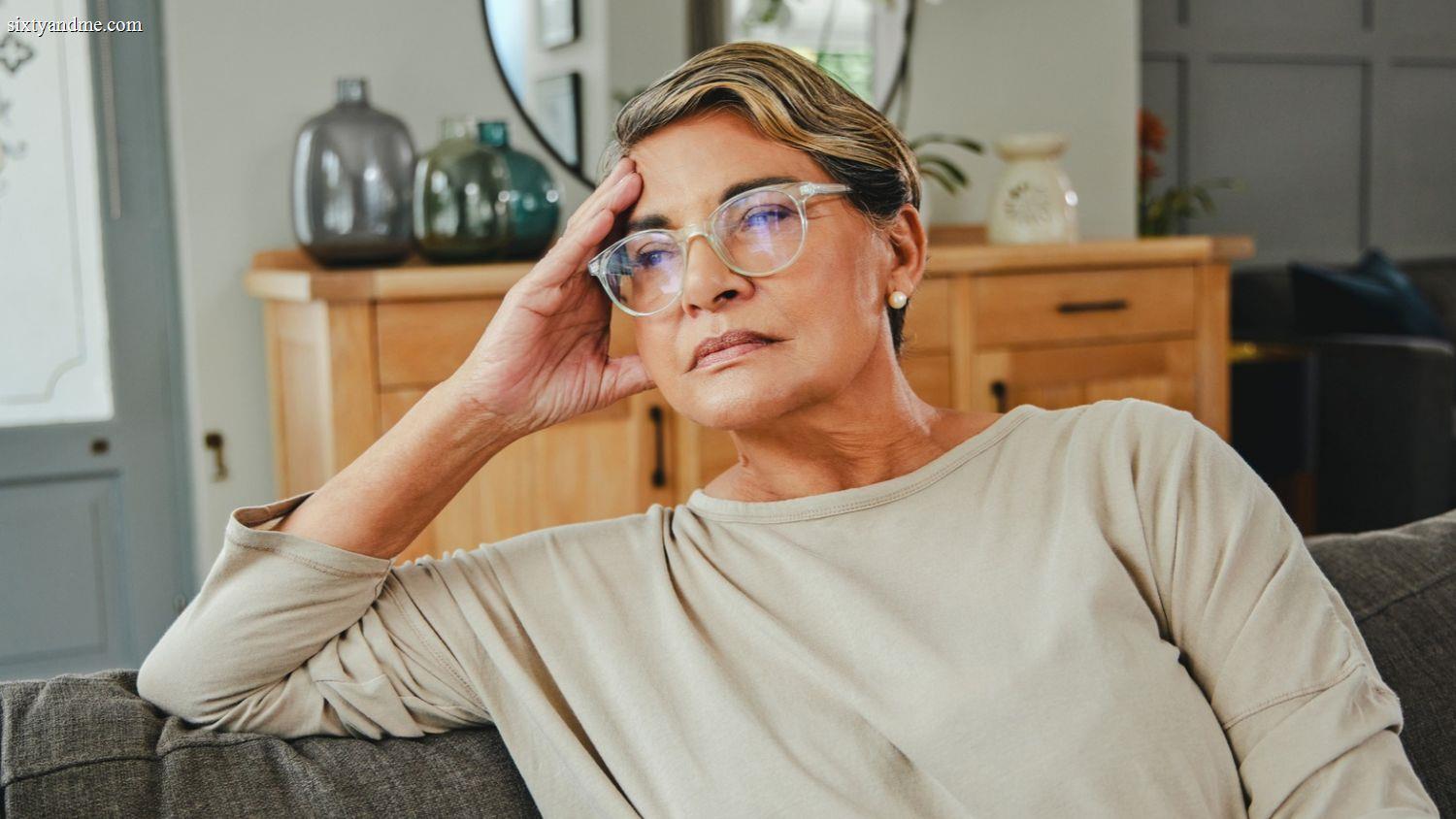
Are You Exhausted from Being “The Strong One”?
There’s a kind of tired I’ve been experiencing lately. It’s not the tired that comes from too little sleep, a long flight, or a week with too many things on the calendar.
It’s the tired that comes from being “the strong one” for a very long time.
For most of my life, I thought strength meant being able to keep going. To manage the crisis, answer the call, make the plan, hold the center, stay composed. I believed, as many women do, that if people could count on me, then I was doing life well.
And in many ways, I was.
Women Become Astonishingly Fluent in Capability
As women we have special skills. We notice what needs to be done before anyone else sees it. We remember the birthdays, sense the moods, make the appointments, smooth the tension, read the room, and somehow know when someone is about to fall apart. We call this love. We call it responsibility. We call it being a good mother, wife, sibling, friend, colleague, citizen.
But I wonder if, somewhere along the way, some of us began confusing strength with disappearance.
I know something about this.
Before I Was Born, There Was Loss
I was born into a life already shaped by loss. My father died suddenly while my mother was pregnant with me. By the time I was nine, my mother had been diagnosed with breast cancer. Illness and uncertainty were not occasional visitors in my childhood; they were part of the atmosphere.
Like many women who learn early that stability is not guaranteed, I became very good at moving forward.
I married, worked in music and television, became a mother, divorced, raised two children, remarried, and kept going. I learned how to rebuild. I learned how to function. I learned how to appear fine.
That word, “fine,” has covered a great deal of territory for women.
Slowing Down without Choosing to
Then, as I approached my 60s, life began to slow in ways I had not chosen. The pandemic arrived. Work slowed, then slipped away. My children were grown. My body began speaking more insistently through broken bones, autoimmune disruptions, and new limitations. Beneath all of it was a sadness I could not attach to any particular event. Nothing was “wrong” enough to explain it.
At first, I tried to handle the heaviness the way I’d handled everything else: understand it, organize it, move through it efficiently, or compartmentalize it. But feelings have a way of resisting our attempts to organize them into submission.
Eventually, I understood I wasn’t simply burned out from doing too much. Perhaps I was recovering from being too strong for too long. Burnout suggests a crowded calendar. The emotional hangover of strength suggests a crowded inner life. Years of being available to everyone. Years of postponing your own needs because someone else’s felt more urgent. Years of mistaking self-control for peace.
We Think Strength Will Get Us Through Everything
This is not a criticism of strength. Strength has probably saved many of us. But strength, if it never softens, can become its own kind of cage.
In The Sovereign Self, I write about emotional mastery not as control, but as the willingness to meet what arises honestly. To pause long enough to ask: What have I been carrying? What have I been avoiding? What part of me is asking to be heard?
I realized that the answers weren’t going to arrive as quickly or as neatly as I’d hoped. For me, answers came slowly, through long walks in the woods, lots of meditation, therapy, and reading. Eventually, I had to admit that I could no longer keep performing my own okay-ness. And somewhere beneath all that strength, I began to sense the woman I had nearly forgotten. Not the mother, wife, professional, or fixer. Not the survivor.
Me.
Perhaps That’s One of the Invitations of Life After 60
When we get to 60, we start experiencing life differently. It’s not about becoming less strong, but it’s about becoming more truthful about what our strength has cost us. Maybe we do not need to prove that we can carry everything anymore. Maybe we can put a few things down. Maybe we can rest before we collapse.
Say no without preparing a courtroom argument. Let someone else be disappointed. There’s no shame in that, and I’ve found freedom in it. Because once we stop confusing strength with self-abandonment, something softer and more sovereign becomes possible. And perhaps the most powerful sentence a woman can say after 60 isn’t “I can handle it.” Perhaps it’s: “I am no longer willing to abandon myself in order to prove that I can.”
Let’s Start a Conversation:
Have you ever confused being needed with being loved? Which responsibility are you carrying out of identity rather than actual obligation? What part of your life still depends on you pretending you’re fine?

Wow, this article spoke to me like a loud siren from the mountaintop. At 61 I find myself navigating my husband through retirement along with caring for my 88 year old mother in the beginning of dementia. Did I mention I am also an introvert? :) Sadly, the people I seem to be disappointing lately are my girlfriends who feel I have abandoned them, but not for what is going on in my life. I am not running to outings with them for self care and feeling no regrets. It would be so easy to continue putting ourselves last, if that’s what we have done all along. It’s OUR time and while we still have needs to care for, we need to put ourselves at the top of that list too. As I get older I am finding that self care takes a bit longer than it used to and that’s okay. Sending everyone love and light and acceptance for the perfectly imperfect woman each of us are. 🩷
Your “Did I mention I am also an introvert?” made me smile. Sometimes an outing with people we love is still one more thing we have to find the energy for. With everything you’re carrying, I can understand wanting time when no one needs anything from you.
I hope your girlfriends come to understand that needing more time to yourself doesn’t mean you care about them any less, and I’m so glad you’re taking that time without regret. Sending you lots of love and light, too, Catie! https://s.w.org/images/core/emoji/17.0.2/svg/1fa77.svg
This article rang a bell with me. I recently recovered from a nervous breakdown. The psychiatrist told me I had buried trauma for years and”the body keeps score.” I couldn’t do it any more. I am on the road to recovery but the path to get here is strewn with traumas I thought I had to own all by myself.
Thank you for trusting me with something so personal. Your words about the traumas you thought you had to own all by yourself really moved me. There is so much loneliness in carrying pain that others may never even know is there.
I’m glad you’re getting care and finding your way toward recovery. I hope there are people beside you now with whom you can be honest about how you’re doing, without having to make it sound easier than it is.
Sending you lots of love and light, Georgia.
Good article. Over the last while I’ve said no to many responsibilities, expectations, and people. I’ve done this calmly and decisively. I’ve felt freed, more grounded, and happier ever since.
“Calmly and decisively”—I love that. It sounds as though you gave those decisions the thought they deserved, and the difference in how you feel says a great deal. Thank you for sharing this. I’m so glad you’re happier!